
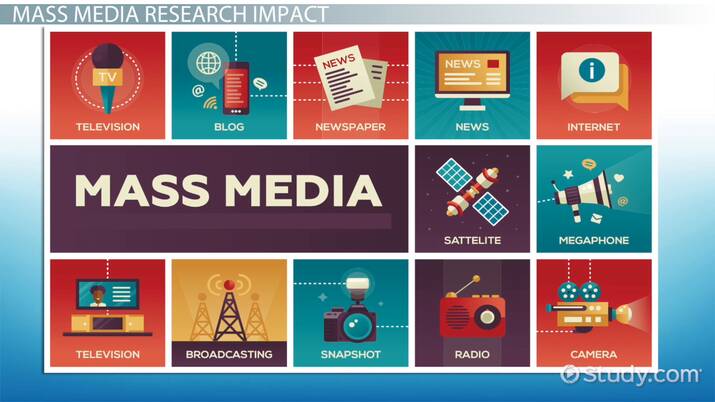
Whether written, broadcast, or spoken—that reaches a large audience. This includes television, radio, advertising, movies, the Internet, newspapers, magazines.
- I am choosing to talk about is Mass Media. This is a related issue because, most of us if not all have brought a bootleg cassette, cd, dvd or downloaded something from the internet one time or another. I hope to discover the copyright laws when it comes to streaming music. Two primary types of online music streaming services exist: noninteractive and interactive. I was unaware the types before I read this article about Pandora.
- I thought was interesting explaining how services such as Pandora is does not allow an exact song to be played-that is none as an “noninteractive streaming” and interactive streaming are things like Tidal, and Apple music. The next thing I’ve found interesting was the digital music licensing according to Jack Denton https://psmag.com/news/music-copyright-law-is-finally-out-of-the-analog-age The biggest change with the new law is the creation of blanket licensing for digital music.
- The Copyright Act of 1909 created the mechanical license—a license to reproduce a composition on a sound recording. That was a way to compensate songwriters back when the recording industry first came into existence. And it has always been on a per song basis. For example, if you wanted to put out a CD or a vinyl disc, you would go to [mechanical rights licensing organization] Harry Fox—most everything is listed there—and you would get a license for that song.
- Lastly, I deem as relatable is copyright infringements. Copyright Infringement could be things such as: downloading movies and music without proper payment use (napster, limewire), recording movies in a theater (bootlegging) a digital way of plagiarism if you will. It’s important to understand copyright laws. I now often question why limewire was even a thing if it was “illegal” should I have been sued for downloading music without getting permission?
 Wellness (Mind, Body and Soul)